in the current cross-border and local data compliance environment, taking "security compliance and adding sensitive information protection strategies to the thai server numbering rule table" as the design goal will help enterprises achieve data minimization and auditable management at the server management level. this article gradually explains how to integrate sensitive information protection into the numbering rule table from the perspectives of regulations, classification, technology and implementation processes to meet thai laws and industry best practices.
in thailand, data protection requirements are centered on the personal information protection act (pdpa), and industry supervision and cross-border transfer restrictions also need to be paid attention to. incorporating compliance requirements into the server numbering rule table can identify servers involving personal data or restricted information during the asset registration stage, provide a basis for subsequent access control, encryption and auditing, reduce legal and operational risks, and ensure that the numbering strategy is consistent with compliance responsibilities.
clarify the categories of sensitive information (such as personally identifiable information, financial information, health records, restricted business data, etc.) in the numbering rule table, and assign meta tags and priorities to each category to achieve structured management. the definition should include examples, lifecycle requirements and processing restrictions, allowing operations, compliance and security teams to mark and trigger corresponding protection strategies when numbering, ensuring consistency and traceability.
to implement numbering table and data classification mapping, a hierarchical coding method can be used: area-environment-business-sensitivity level-serial number. each level represents a clear meaning, and sensitive level fields are directly mapped to data classification to facilitate automated policy distribution. for example, high-sensitivity servers are included in management domains with mandatory encryption and minimum privilege access to improve rule execution efficiency and auditability.
for sensitive servers identified by numbers, multiple technical protections should be adopted: static data encryption, transmission encryption, data desensitization, role-based access control, fine-grained permission auditing and log link preservation. at the same time, it combines key management, hardware security module (hsm) and backup encryption strategy to ensure that sensitive data is controlled during the entire life cycle of storage, transmission and backup.
a change management process should be established during implementation: number change approval, impact assessment, policy distribution and regression testing. regularly conduct compliance self-examination and third-party audit, and use the asset list generated by the numbering rule table for sampling verification. we also provide training to the operation, maintenance and development teams to ensure that numbering and protection strategies are continuously followed and records are preserved in daily operations.
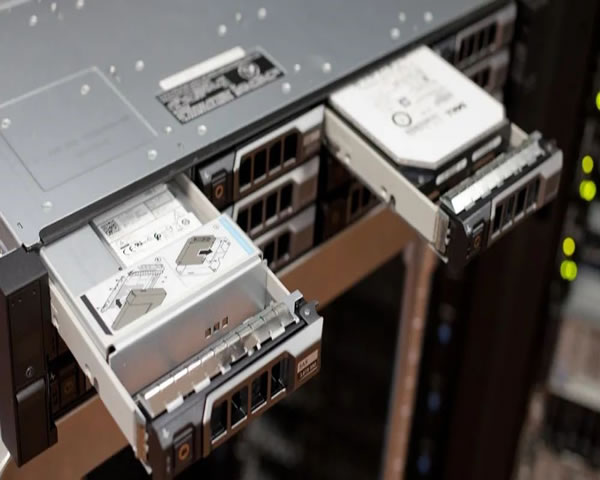
integrating sensitive information protection strategies into the thai server numbering rule table can realize risk identification and automated protection at the source, improving compliance efficiency. it is recommended to complete sensitive classification and coding specifications first, and then gradually introduce technical control and audit mechanisms; at the same time, maintain communication with legal advisors to ensure that numbering and protection measures are updated in a timely manner as regulations change, forming a closed-loop management.
- Latest articles
- Common Troubleshooting Steps And Rapid Recovery Solutions For Taiwan Telecom CN2 Broadband
- An Automated Operations And Maintenance Solution Covering Everything From Development To Monitoring How To Build A Site On Hong Kong Cloud Servers
- From A Business Perspective, Is Vietnam's VPS Reliable? Considerations Regarding Compliance And Data Security
- Free Server Korea Security Protection Policy And Backup Implementation Guide
- Cost And Operation Management Recommendations For Enterprises Deploying Korean CN2 Site Cluster Cloud Servers
- Basic Information On Taiwan Proxy Servers, Common Terminology Explanations, And Purchase Precautions
- How To Choose A Cloud Server In Thailand: From Network Latency To After-sales Service, Comprehensive Aspects
- Recommended Recommendations For Operators To Improve Thailand's High-Defense VPS Protection And Bandwidth Stability By Comparison
- Optimized Storage Costs For Hong Kong Hosted Servers, Hard Disk Servers, Layered Storage, And Cold Archiving Solutions
- Are Tencent Cloud Korean Servers Native? Recommendations For Local Service Provider Integration And Latency Optimization
- Popular tags
-

Insider Revelations On Common Tactics And Blacklists Behind Server Room Scams In Thailand
An in-depth analysis of industry insides reveals the common tactics and blacklists behind server room fraud in Thailand, identifying fake leases, forged qualifications, traffic fraud, and contract traps, while providing practical verification and prevention advice. -
How To Choose The Right Server When Mobile Roaming To Thailand
this article explores how to choose the right server when mobile roaming in thailand to ensure the speed and security of your network connection, helping you work more efficiently. -

Environmentally Friendly Materials And Sustainability In Thailand Computer Room Construction
explore environmentally friendly materials and sustainability in the construction of computer rooms in thailand, and learn how to promote the harmonious development of technology and environment through green buildings.